

 - appointment details are shown on mouse-over.
The calendar uses your local settings, so the first day of the week, the months and the weekday names ar localized.
Notice the color gradient - the calendar widget can use a solid color or a color gradient, including partial transparency!
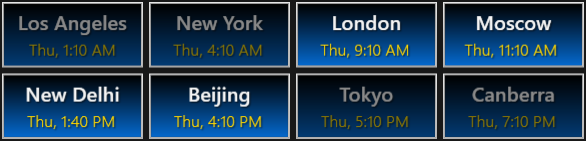
A mouse click at the clock shows or hides the main window with several clocks for other cities and time zones.
This is a recommended setting, but you can also just have the main window with multiple clocks - hidden by default or visible all the time.
- appointment details are shown on mouse-over.
The calendar uses your local settings, so the first day of the week, the months and the weekday names ar localized.
Notice the color gradient - the calendar widget can use a solid color or a color gradient, including partial transparency!
A mouse click at the clock shows or hides the main window with several clocks for other cities and time zones.
This is a recommended setting, but you can also just have the main window with multiple clocks - hidden by default or visible all the time.

2011 Savita Bhabhi 18 Tuition Teacher Savita Top [2021] ✦ (Top-Rated)
The day starts early, often around 5:30 AM. In many homes, the first ritual is cleaning the threshold and drawing a rangoli (geometric powder design) at the entrance to welcome positive energy.
The true catalyst of the morning, however, is Chai . The brewing of morning tea—steeped with ginger, cardamom, and milk—is a sacred daily ritual. Family members gather around the kitchen island or dining table for a quick cup, catching up on the morning newspaper and discussing the day's schedule before the rush of school buses and office commutes begins. The Midday Rhythm: Neighborhood Networks and Quiet Hours
The (milkman) delivering fresh milk in cans or packets. The Evening Reunion 2011 savita bhabhi 18 tuition teacher savita top
One of the most defining aspects of Indian daily life is the structure of the household. While the traditional joint family system—where three or more generations live under one roof—has evolved into nuclear setups in urban areas, the "extended" mindset remains fully intact.
Indian families place great emphasis on education and career growth. Many family members pursue careers in various fields, from medicine and engineering to business and the arts. Children are encouraged to study hard and pursue their passions, with parents and elders offering guidance and support. The concept of 'gotra' (family lineage) and 'parampara' (tradition) plays a significant role in shaping the family's values and aspirations. The day starts early, often around 5:30 AM
: Major life decisions, including career paths and marriage, are frequently made in consultation with the whole family to maintain the group's reputation and "dharma" (righteous duty). Typical Daily Life & Routines Morning Rituals : A day often begins early (between 6:00 and 7:00 AM) with brooming and sweeping
Television viewing is frequently a group activity. Whether it is a cricket match, a reality show, or a daily drama series, generations sit together, offering unfiltered commentary. This is also the time when extended relatives drop by unannounced. In Indian culture, guests are viewed as blessings ( Atithi Devo Bhava ), and a host will instantly whip up fresh snacks and tea without a second thought. The Sacred Dinner Table The brewing of morning tea—steeped with ginger, cardamom,
┌──────────────────────────────────────────────────────────┐ │ THE INDIAN DINNER ECOSYSTEM │ ├─────────────────────────┬────────────────────────────────┤ │ Freshness First │ Roti, rice, and curries made │ │ │ from scratch every single night│ ├─────────────────────────┼────────────────────────────────┤ │ Shared Platters │ Food served family-style to │ │ │ encourage sharing and bonding │ ├─────────────────────────┼────────────────────────────────┤ │ The Daily Debrief │ A time to unpack school days, │ │ │ office politics, and news │ └─────────────────────────┴────────────────────────────────┘
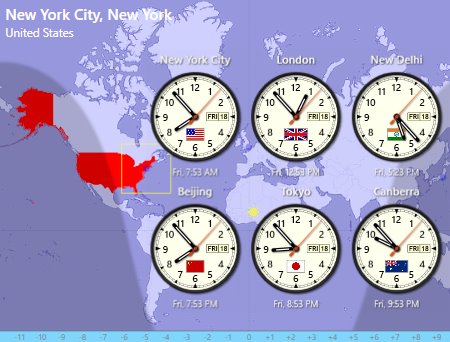
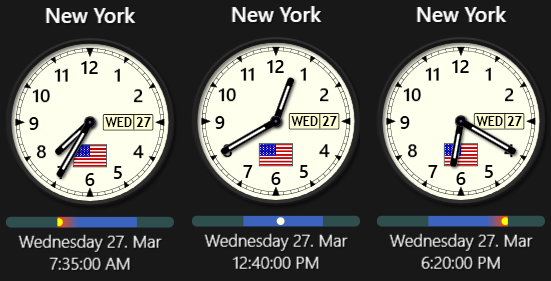
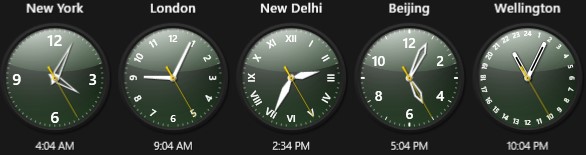 This world clock features 13 variations of hour/minute hands and 10 variations for second hands available and 6 variations for numerals: 4/6/12 positions upright, 12 positions rotated, 4/12 roman numerals.
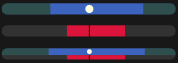
 The sky strip is an additional indicator for the day/night status of a city.
It shows a symbolic representation of the sun, moving at the sky from sunrise to sunset.
The height is adjustable (in the screenshot the height is set to 15 of 1..20). During the night the strip is shown black.
For users on the southern hemisphere of the earth the direction can be changed from left->right to right->left.
The sky strip is an additional indicator for the day/night status of a city.
It shows a symbolic representation of the sun, moving at the sky from sunrise to sunset.
The height is adjustable (in the screenshot the height is set to 15 of 1..20). During the night the strip is shown black.
For users on the southern hemisphere of the earth the direction can be changed from left->right to right->left.
 The included city database contains every city with a population of 15,000+ and every capital city.
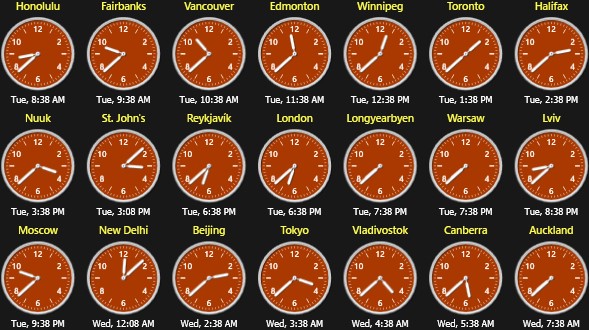
Even an array of 21 world clocks like in this screenshot is no problem for Sharp World Clock, it can easily handle that and many more!
The clocks in the picture are using the same design, but this is not required.
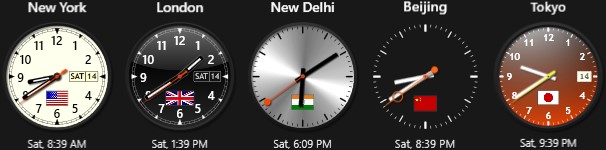
After assigning a general design template to all clocks, you can make changes to some clocks, to make them look differently:
The included city database contains every city with a population of 15,000+ and every capital city.
Even an array of 21 world clocks like in this screenshot is no problem for Sharp World Clock, it can easily handle that and many more!
The clocks in the picture are using the same design, but this is not required.
After assigning a general design template to all clocks, you can make changes to some clocks, to make them look differently: