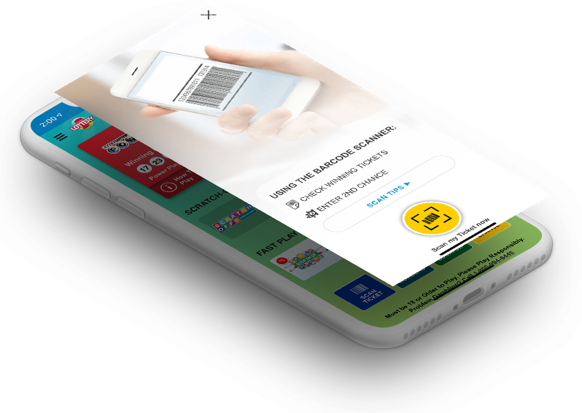
Use the Hoosier Lottery app to scan and check Draw, Scratch-off, and Fast Play game tickets and enter my2ndChance promotions.
A staple of internet culture. Lists provoke debate and engagement. Example: "The Top 10 Movie Villains of the 21st Century."
Audio entertainment has evolved beyond traditional radio formats. Podcasting democratized audio production, allowing niche subcultures to find global audiences. Music streaming services shifted industry economics from album sales to per-stream micro-royalties. Interactive Gaming
Popular media has transitioned through three distinct eras, each defined by technological capability and user agency. bangpodcast220111leanalovingsxxx1080ph
As we look toward the future, the integration of and Virtual Reality (VR) promises to redefine entertainment once again. We are moving toward "personalized media," where AI might help generate unique soundtracks or visual experiences tailored to an individual’s mood. Meanwhile, the Metaverse aims to turn media consumption into a 3D social experience, where you don’t just watch a concert—you attend it as an avatar. Conclusion
Global ad revenue is expected to hit $1 trillion in 2026, becoming the largest single revenue stream for the industry . A staple of internet culture
Today’s landscape is fragmented into thousands of niche micro-communities. There is no single hit song; there are a hundred hits across Spotify, Apple Music, TikTok, and YouTube Shorts. This fragmentation has a double-edged effect:
: Nearly 40% of industry revenue is now generated by digital streaming platforms [8]. As we look toward the future, the integration
TikTok and YouTube personalize media feeds for individual users. Drivers of Modern Popular Media
Today, platform algorithms actively curate the consumer experience. Streaming services and social media platforms analyze user behavior in real time to feed an endless scroll of personalized content. The consumer no longer just chooses the media; the media actively predicts and shapes the consumer’s desires. The Mechanics of Modern Entertainment Content
Historically, media consumption was a "lean back" experience—audiences watched what networks scheduled. Today, the landscape is participatory
Algorithmic curation can trap users in narrow ideological bubbles.
 Use the app ticket scanner to check your tickets and enter 2nd Chance promotions in a snap.
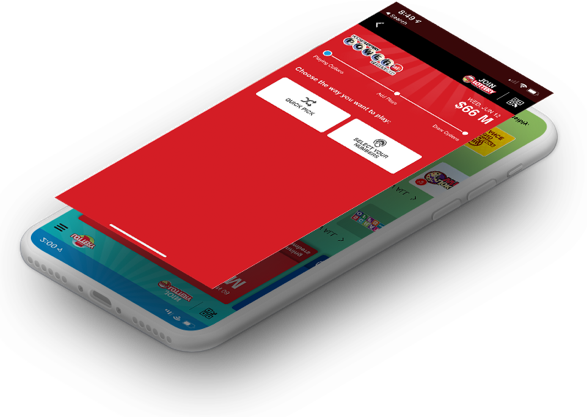
 Save time and paper playslips by building your digital playslip on the Hoosier Lottery App.
Customize push notifications to receive jackpot and winning numbers alerts.
Also, opt-in to get notifications on location-based offers when you are near a participating Hoosier Lottery Retailer.