
Faraday Launch Masthead

Graphics Warez

Out now on PC

Graphics Warez

Versions of software that bypass the "phone-home" activation requirements of the cloud.

Malicious actors frequently package cracked graphics plugins or software with malware. A downloaded Photoshop crack might contain a Trojan horse that installs ransomware or steals browser cookies and passwords.

The vibrant ecosystem of open-source and low-cost legitimate tools means that no one needs to resort to pirated software. By choosing legal alternatives, you support the developers who create the tools you love, protect your digital life, and avoid becoming another statistic in the global war against software piracy.

This public link is valid for 7 days and shares a thread, including any personal information you added. This link or copies made by others cannot be deleted. If you share with third parties, their policies apply. Can’t copy the link right now. Try again later. graphics warez

Modified executable files ( .exe or .dll ) that skipped the license verification checks entirely.

Possessing the latest 3D rendering or video editing software was a status symbol in tech circles. Running these programs required powerful hardware. Successfully cracking them, or even just running them smoothly, proved a user's technical prowess. 3. The Digital Art Boom

A free, open-source 3D suite that rivaled paid industry giants. Versions of software that bypass the "phone-home" activation

Graphics warez employs several sophisticated techniques:

Today, the phrase "graphics warez" belongs mostly to the history books of the early internet. The rise of affordable monthly subscriptions, strict cloud-based digital rights management (DRM), and the incredible power of free, open-source alternatives like Blender, GIMP, and DaVinci Resolve have largely made software piracy obsolete for the average creator.

A text document detailing instructions for installation, information about the release group, and notes on how they bypassed the software protection. Why Graphics Software Became a Primary Target The vibrant ecosystem of open-source and low-cost legitimate

Today, much of the public-facing graphics warez ecosystem relies on cyberlockers (e.g., Rapidgator, Mega) promoted via dedicated piracy blogs, forums, and specialized search engines. These platforms often monetize traffic through premium download subscriptions and aggressive ad networks. Security Risks and Malware Delivery

The warez scene's influence extended far beyond static images. Some of the most technically advanced graphics from this era can be found in the "demos"—real-time, non-interactive multimedia presentations that showcased a group's coding and artistic skills. These demos, often created by "demogroups" that emerged from the warez scene, featured complex graphical effects, including real-time 3D transformations, particle systems, and procedural generation—all often coded in low-level assembly language for maximum performance.

As the software industry began to feel the pinch of widespread piracy, efforts to combat graphics warez intensified. Companies like Adobe and Autodesk implemented more robust licensing mechanisms, such as software activation and validation checks. Law enforcement agencies also started to take notice, and several high-profile cases against warez groups and individuals were prosecuted.

The introduction of Peer-to-Peer (P2P) networks like Limewire, eMule, and eventually BitTorrent revolutionized the scene. Instead of downloading from a single, vulnerable server, users downloaded pieces of the software from each other. This made large graphic suites—and massive libraries of 3D models and textures—much faster and harder for authorities to shut down. The Anatomy of a Warez Release

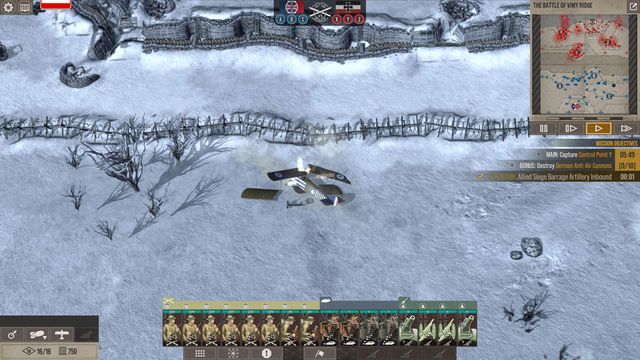
Relive history, or redefine it

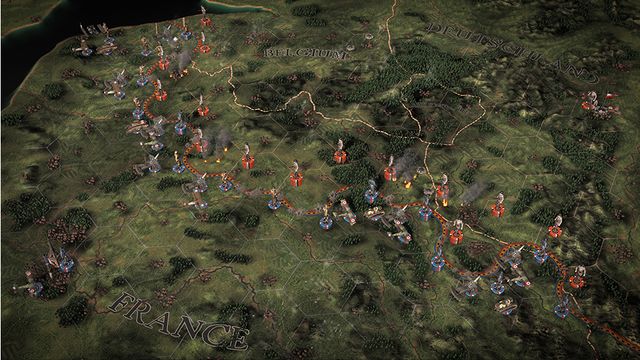
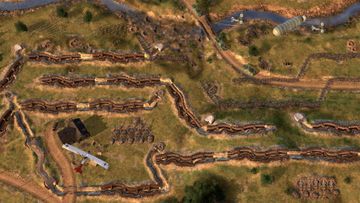
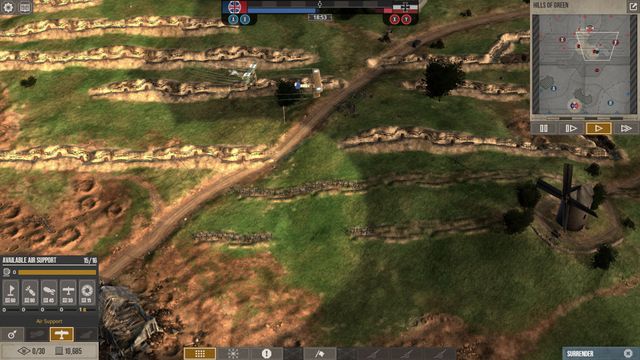
Play a deciding role in history with this real-time tactical experience as you take charge in the iconic Western Front from 1914 to 1919. Pick your faction and lead your forces to victory.

Versions of software that bypass the "phone-home" activation requirements of the cloud.

Malicious actors frequently package cracked graphics plugins or software with malware. A downloaded Photoshop crack might contain a Trojan horse that installs ransomware or steals browser cookies and passwords.

The vibrant ecosystem of open-source and low-cost legitimate tools means that no one needs to resort to pirated software. By choosing legal alternatives, you support the developers who create the tools you love, protect your digital life, and avoid becoming another statistic in the global war against software piracy.

This public link is valid for 7 days and shares a thread, including any personal information you added. This link or copies made by others cannot be deleted. If you share with third parties, their policies apply. Can’t copy the link right now. Try again later.

Modified executable files ( .exe or .dll ) that skipped the license verification checks entirely.

Possessing the latest 3D rendering or video editing software was a status symbol in tech circles. Running these programs required powerful hardware. Successfully cracking them, or even just running them smoothly, proved a user's technical prowess. 3. The Digital Art Boom

A free, open-source 3D suite that rivaled paid industry giants.

Graphics warez employs several sophisticated techniques:

Today, the phrase "graphics warez" belongs mostly to the history books of the early internet. The rise of affordable monthly subscriptions, strict cloud-based digital rights management (DRM), and the incredible power of free, open-source alternatives like Blender, GIMP, and DaVinci Resolve have largely made software piracy obsolete for the average creator.

A text document detailing instructions for installation, information about the release group, and notes on how they bypassed the software protection. Why Graphics Software Became a Primary Target

Today, much of the public-facing graphics warez ecosystem relies on cyberlockers (e.g., Rapidgator, Mega) promoted via dedicated piracy blogs, forums, and specialized search engines. These platforms often monetize traffic through premium download subscriptions and aggressive ad networks. Security Risks and Malware Delivery

The warez scene's influence extended far beyond static images. Some of the most technically advanced graphics from this era can be found in the "demos"—real-time, non-interactive multimedia presentations that showcased a group's coding and artistic skills. These demos, often created by "demogroups" that emerged from the warez scene, featured complex graphical effects, including real-time 3D transformations, particle systems, and procedural generation—all often coded in low-level assembly language for maximum performance.

As the software industry began to feel the pinch of widespread piracy, efforts to combat graphics warez intensified. Companies like Adobe and Autodesk implemented more robust licensing mechanisms, such as software activation and validation checks. Law enforcement agencies also started to take notice, and several high-profile cases against warez groups and individuals were prosecuted.

The introduction of Peer-to-Peer (P2P) networks like Limewire, eMule, and eventually BitTorrent revolutionized the scene. Instead of downloading from a single, vulnerable server, users downloaded pieces of the software from each other. This made large graphic suites—and massive libraries of 3D models and textures—much faster and harder for authorities to shut down. The Anatomy of a Warez Release
Faraday Launch CTA

Relive history, or redefine it

Steam Epic
graphics warez

Stay Connected

Close Sidebar Close