Arsha Vidya Pitham, Saylorsburg, PA

Leikai Eteima Mathu Nabagi Wari Facebook Story Full __link__

While these stories are a form of modern entertainment, it is important to remember that many are works of fiction. The raw, often unfiltered language used in "Facebook stories" is part of the "Leikai" realism, but readers should always navigate these spaces with an awareness of the platform’s community standards.

: Anyone with a smartphone and a Facebook account can become a published author, bypassing traditional publishing gatekeepers.

For many regional language speakers in Northeast India, Facebook has transcended its original purpose as a social networking site to become a primary publishing platform. 1. Democratization of Content Creation leikai eteima mathu nabagi wari facebook story full

Do you need an analysis of regarding vernacular adult content? Let me know how you would like to expand this topic. Share public link

: Engaging with adult content on public or semi-private platforms leaves a digital footprint. Even within closed groups, screenshots can be taken, potentially compromising a user's privacy if their real identity is linked to the account. Conclusion While these stories are a form of modern

The Leikai Eteima Mathu Nabagi Wari story is a fascinating example of how viral content can spread quickly on social media platforms like Facebook. While the authenticity of the story remains unclear, its impact on Facebook is undeniable. As we continue to navigate the complex world of social media, it is essential to approach viral stories with a critical eye, separating fact from fiction, and being mindful of the potential consequences of sharing unverified information.

The phrase refers to a specific genre of adult-themed stories (typically involving a neighborhood sister-in-law character) that are popular in Manipuri social media circles, particularly on Facebook. For many regional language speakers in Northeast India,

The search for stories like "leikai eteima mathu nabagi wari facebook story full" highlights a popular niche in Manipuri digital folklore— (community stories). These stories, often shared across Facebook groups and messaging platforms, blend local culture, social dynamics, and personal drama.
leikai eteima mathu nabagi wari facebook story full

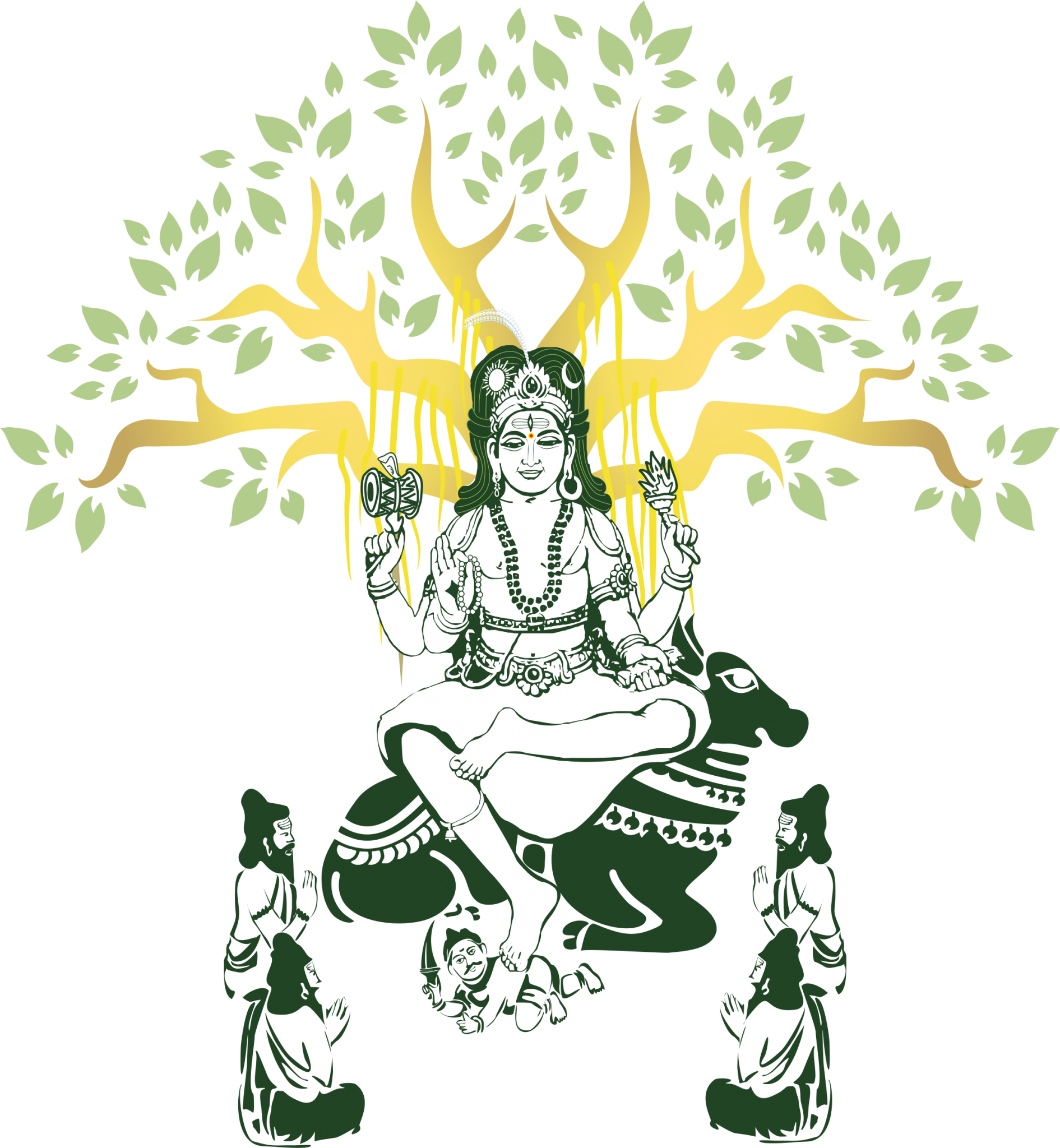
Lord Daksinamurti

While these stories are a form of modern entertainment, it is important to remember that many are works of fiction. The raw, often unfiltered language used in "Facebook stories" is part of the "Leikai" realism, but readers should always navigate these spaces with an awareness of the platform’s community standards.

: Anyone with a smartphone and a Facebook account can become a published author, bypassing traditional publishing gatekeepers.

For many regional language speakers in Northeast India, Facebook has transcended its original purpose as a social networking site to become a primary publishing platform. 1. Democratization of Content Creation

Do you need an analysis of regarding vernacular adult content? Let me know how you would like to expand this topic. Share public link

: Engaging with adult content on public or semi-private platforms leaves a digital footprint. Even within closed groups, screenshots can be taken, potentially compromising a user's privacy if their real identity is linked to the account. Conclusion

The Leikai Eteima Mathu Nabagi Wari story is a fascinating example of how viral content can spread quickly on social media platforms like Facebook. While the authenticity of the story remains unclear, its impact on Facebook is undeniable. As we continue to navigate the complex world of social media, it is essential to approach viral stories with a critical eye, separating fact from fiction, and being mindful of the potential consequences of sharing unverified information.

The phrase refers to a specific genre of adult-themed stories (typically involving a neighborhood sister-in-law character) that are popular in Manipuri social media circles, particularly on Facebook.

The search for stories like "leikai eteima mathu nabagi wari facebook story full" highlights a popular niche in Manipuri digital folklore— (community stories). These stories, often shared across Facebook groups and messaging platforms, blend local culture, social dynamics, and personal drama.

leikai eteima mathu nabagi wari facebook story full

Arsha Vidya Gurukulam was founded in 1986 by Pujya Sri Swami Dayananda Saraswati. In Swamiji’s own words,

“When I accepted the request of many people I know to start a gurukulam, I had a vision of how it should be. I visualized the gurukulam as a place where spiritual seekers can reside and learn through Vedanta courses. . . And I wanted the gurukulam to offer educational programs for children in values, attitudes, and forms of prayer and worship. When I look back now, I see all these aspects of my vision taking shape or already accomplished. With the facility now fully functional, . . . I envision its further unfoldment to serve more and more people.”

Ārṣa (arsha) means belonging to the ṛṣis or seers; vidyā means knowledge. Guru means teacher and kulam is a family.  In traditional Indian studies, even today, a student resides in the home of this teacher for the period of study. Thus, gurukulam has come to mean a place of learning. Arsha Vidya Gurukulam is a place of learning the knowledge of the ṛṣis.

The traditional study of Vedanta and auxiliary disciplines are offered at the Gurukulam. Vedanta mean end (anta) of the Veda, the sourcebook for spiritual knowledge.  Though preserved in the Veda, this wisdom is relevant to people in all cultures, at all times. The vision that Vedanta unfolds is that the reality of the self, the world, and God is one non-dual consciousness that both transcends and is the essence of everything. Knowing this, one is free from all struggle based on a sense of inadequacy.

The vision and method of its unfoldment has been carefully preserved through the ages, so that what is taught today at the Gurukulam is identical to what was revealed by the ṛṣis in the Vedas.