Профессиональная косметика по уходу за волосами
из натуральных природных ингредиентов
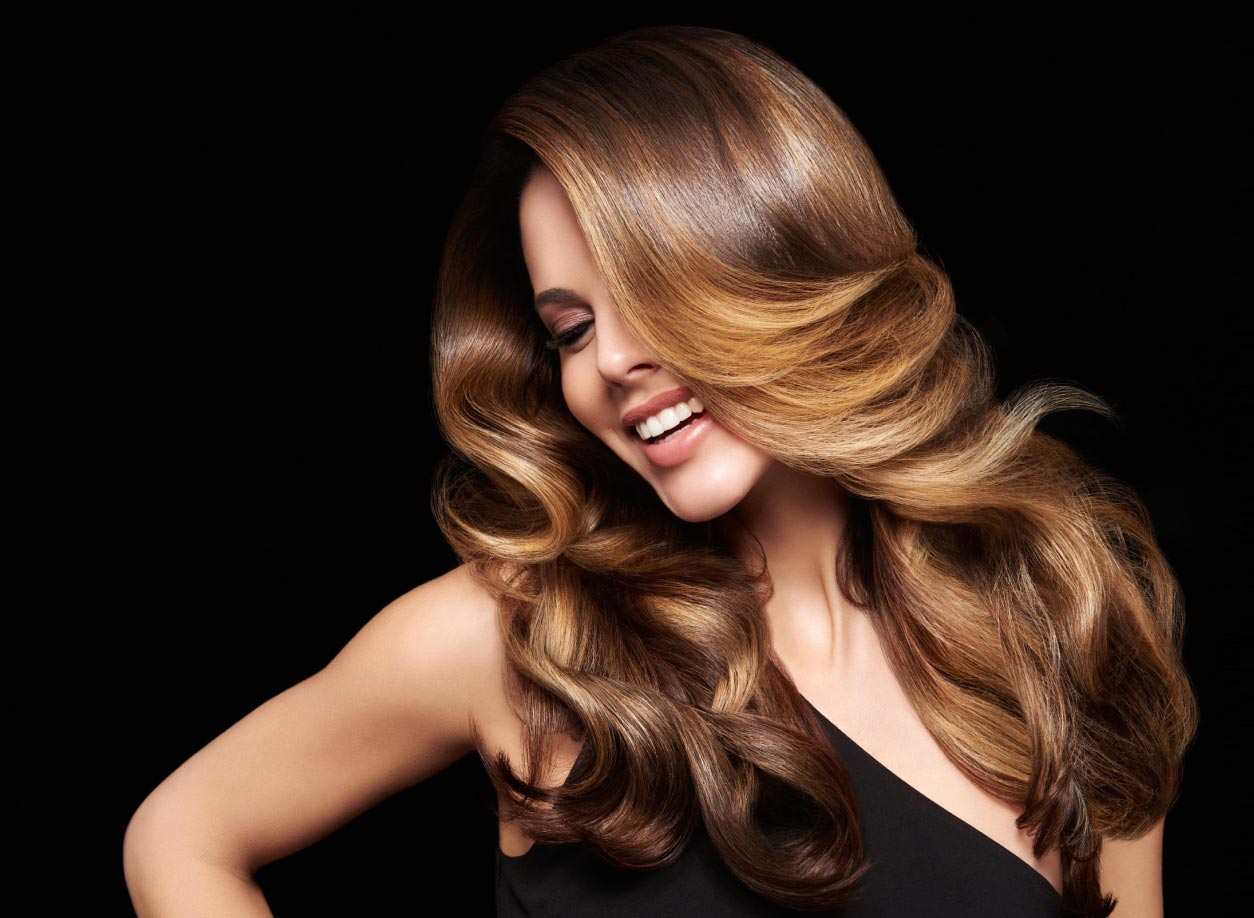
Профессиональная косметика по уходу за волосами
из натуральных природных ингредиентов

Философия «Made in Italy» — это сочетание моды, стиля, здоровья и красоты навсегда.
Каждый продукт BeautyHAIR — это удивительная процедура ухода за волосами, в которой инновационность прекрасно сочетается с релаксом и умиротворением от использования косметики. Вся жизненная сила расстений и энергия природы нашли своё воплощение в бережном и нежном SPA-уходе. Нейтральные чувственные ароматы и легкий парфюм подчеркнут Вашу индивидуальность и добавят сексуальности и уверенности в себе.
Высочайшее качество продукции является приоритетом профессиональных линий ухода за волосами BeautyHAIR.
Most modern camera software allows users to configure digital "privacy zones." This feature digitally blacks out specific areas of the camera's field of view, preventing the device from recording a neighbor's property or a busy public sidewalk.
This public link is valid for 7 days and shares a thread, including any personal information you added. This link or copies made by others cannot be deleted. If you share with third parties, their policies apply. Can’t copy the link right now. Try again later.
To eliminate cloud-based vulnerabilities, consider security systems that utilize local storage. Cameras that record to an on-site Network Video Recorder (NVR), a central hub, or encrypted microSD cards keep video data within the walls of the home. Systems using local storage remain operational even during internet outages and keep personal footage away from corporate servers. 2. Implement Robust Cyber Hygiene
Angle outdoor cameras downward to capture the immediate property line rather than the wider neighborhood landscape. 5. Establish Clear Boundaries for Domestic Staff and Guests
The privacy threat has evolved from simple password breaches to sophisticated "passive" monitoring and data misuse.
Mark promised to adjust the angle, but the damage was done. The quiet social contract of the cul-de-sac—the respectful blindness to neighbors’ comings and goings—had been broken.
Keeps facial recognition data off third-party cloud servers.
Cameras mounted on a home's exterior rarely capture only the owner's property. Wide-angle lenses frequently record neighboring yards, windows, sidewalks, and public streets. Constantly filming neighbors in their private spaces or tracking their daily routines can lead to severe friction, complaints, and legal disputes over expected privacy. Corporate Data Handling and Law Enforcement Access
, allow you to set "privacy masks"—digital black rectangles that block sensitive areas from being recorded or viewed. 2. Audio vs. Video Recording Laws Audio recording is legally much more restricted than video. One-Party vs. All-Party Consent
Nannies, house cleaners, and repair technicians have a reasonable expectation of privacy while working inside a home, unless explicitly notified. In many U.S. states, secretly recording a domestic employee in a private area (like a bedroom or bathroom) is a felony. Yet studies show 1 in 5 homeowners with indoor cameras do not inform their housekeepers.
Eliminates reliance on proprietary corporate cloud networks.
Ослепительный блеск для всех типов волос
Средства линии DAZZLING SHINE разработаны для оживления тусклых, ломких, пористых, не имеющих блеска волос. Экстракт лимона, витамины А, С и специально подобранные кондиционирующие полимеры возвращают волосам здоровье и безупречную красоту с первого применения. Делает их гладкими, шелковистыми и ослепительно блестящими. Придают объем и силу ослабленным волосам
В линию входят:
Увлажнение и питание сухих, пористых, окрашенных и обесцвеченных волос malayalam actress geethu mohandas sex in hidden camera link
300 ml
Эффективно питает и увлажняет волосы, не утяжеляя их. Деликатно очищает кожу головы и придает волосам изумительный блеск. Увлажняющие растительные экстракты лимона, витамины А и С оживляют волосы и придают им дополнительное сияние, делают их гладкими и послушными. Помогают избежать спутывания и упрощают процесс укладки. Для частого применения. Для усиления действия шампуня использовать кондиционер Dazzling Shine.
300 ml
Обогащенный комплексом минералов ANTI-AGE, керамидом А2, экстрактом лимона, витаминами А и С, шампунь эффективно питает и увлажняет волосы, не утяжеляя их. Мягко очищает кожу головы и придает волосам изумительный блеск. Увлажняющие растительные экстракты оживляют и придают волосам дополнительное сияние, делают их гладкими и послушными. Помогают избежать спутывания и упрощают процесс укладки.
300 ml
Интенсивно питает и укрепляет волосы, возвращая им плотность и прочность. Экстракт лимона, витамины А, С и специально подобранные кондиционирующие полимеры возвращают волосам здоровье и безупречную красоту. Делает их гладким, шелковистыми и ослепительно блестящими. Идеально подобранный состав компонентов интенсивно увлажняет и восстанавливает поврежденные локоны. Придает силу и блеск ослабленным волосам. Most modern camera software allows users to configure
150 ml
Активно насыщает волосы натуральными минералами, керамидом А2, экстрактом лимона, витаминами А и С. Воздействует на наиболее поврежденные участки, придавая им шелковистую мягкость и блеск. Волосы становятся более прочными и гладкими, приобретают изумительный блеск и хорошо поддаются укладке. Маска разглаживает кутикулу волоса, обволакивает ее защитной пленкой и создает эффект ламинирования.
Защита цвета окрашенных волос
Средства линии COLOR SAVE разработаны для сохранения глубокого насыщенного цвета волос после окрашивания и защиты его в дальнейшем. Деликатные компоненты не разрыхляют кутикулу и препятствуют вымыванию красящего пигмента. Поврежденные волосы приобретают эластичность, жизненную силу, восхитительный блеск и надолго сохраняют яркость цвета
В линию входят:
Защита цвета окрашенных волос
300 ml
Обогащенный маслом макадамии и семян подсолнечника шампунь COLOR SAVE SLS FREE обеспечивает эффективную защиту окрашенных волос. Деликатные моющие компоненты не разрыхляют кутикулу и препятствуют вымыванию красящего пигмента. Окрашенные волосы надолго сохраняют яркость цвета и приобретают восхитительный блеск. Бережно очищает и восстанавливает Ph-баланс кожи головы, устраняя раздражения и покраснения.
300 ml
Шампунь бережно очищает и восстанавливает Ph-баланс кожи головы, устраняя раздражения и покраснения. Специально подобранный комплекс минералов и полимеров ANTI-AGE делает волосы прочными и эластичными. При серьезном повреждении кутикулы волоса, для усиления действия ухаживающих компонентов, вслед за шампунем использовать маску COLOR SAVE, далее кондиционер. Предназначен для всех типов окрашенных и осветленных волос.
300 ml
Интенсивно питает, увлажняет и кондиционирует окрашенные и обесцвеченные поврежденные волосы. Не утяжеляет даже тонкие и склонные к жирности волосы и обеспечивает им необходимый объем при укладке. Благодаря активному действию полимеров и минералов, волосы уплотняются, приобретают жизненную силу и здоровый блеск. Кондиционер запечатывает кутикулу и оставляет пигмент красителя внутри волоса, что позволяет надолго сохранить цвет.
150 ml
Масла макадамии и подсолнечника активно питают и увлажняют окрашенные волосы, делая их сильными и гладкими. Уникальный anti-age комплекс восстанавливает структуру экстремально поврежденных волос и устраняет последствия предыдущих окрашиваний. Волосы приобретают эластичность, жизненную силу и здоровый блеск. Легко расчесываются, выглядят здоровыми и ухоженными. Не утяжеляет даже тонкие волосы.
Most modern camera software allows users to configure digital "privacy zones." This feature digitally blacks out specific areas of the camera's field of view, preventing the device from recording a neighbor's property or a busy public sidewalk.
This public link is valid for 7 days and shares a thread, including any personal information you added. This link or copies made by others cannot be deleted. If you share with third parties, their policies apply. Can’t copy the link right now. Try again later.
To eliminate cloud-based vulnerabilities, consider security systems that utilize local storage. Cameras that record to an on-site Network Video Recorder (NVR), a central hub, or encrypted microSD cards keep video data within the walls of the home. Systems using local storage remain operational even during internet outages and keep personal footage away from corporate servers. 2. Implement Robust Cyber Hygiene
Angle outdoor cameras downward to capture the immediate property line rather than the wider neighborhood landscape. 5. Establish Clear Boundaries for Domestic Staff and Guests
The privacy threat has evolved from simple password breaches to sophisticated "passive" monitoring and data misuse.
Mark promised to adjust the angle, but the damage was done. The quiet social contract of the cul-de-sac—the respectful blindness to neighbors’ comings and goings—had been broken.
Keeps facial recognition data off third-party cloud servers.
Cameras mounted on a home's exterior rarely capture only the owner's property. Wide-angle lenses frequently record neighboring yards, windows, sidewalks, and public streets. Constantly filming neighbors in their private spaces or tracking their daily routines can lead to severe friction, complaints, and legal disputes over expected privacy. Corporate Data Handling and Law Enforcement Access
, allow you to set "privacy masks"—digital black rectangles that block sensitive areas from being recorded or viewed. 2. Audio vs. Video Recording Laws Audio recording is legally much more restricted than video. One-Party vs. All-Party Consent
Nannies, house cleaners, and repair technicians have a reasonable expectation of privacy while working inside a home, unless explicitly notified. In many U.S. states, secretly recording a domestic employee in a private area (like a bedroom or bathroom) is a felony. Yet studies show 1 in 5 homeowners with indoor cameras do not inform their housekeepers.
Eliminates reliance on proprietary corporate cloud networks.
Интенсивное питание и увлажнение
Премиальная линия ухода ARGAN SPA создана для интенсивного питания и восстановления всех типов волос. Масла арганы, косточек персика, абрикоса и комплекс минералов ANTI-AGE эффективно реконструируют поверхность волос и возвращают им красоту и жизненную силу. Уменьшают ломкость и устраняют проблему секущихся кончиков. Данная линия ухода - уникальное средство для спасения сухих и обесцвеченных волос.
В линию входят:
Интенсивное питание и увлажнение
300 ml
Обогащенный уникальным ценным компонентом природного происхождения - сертифицированным аргановым маслом, шампунь идеально подходит для интенсивной терапии окрашенных и обесцвеченных волос. Сочетание масел арганы, косточек персика и абрикоса интенсивно питает и мгновенно оживляет волосы, не утяжеляя их. Придает изумительный блеск и естественную мягкость. Формула не содержит сульфатов. Предназначен для всех типов волос.
300 ml
Масло арганы, косточек персика и абрикоса интенсивно питает, увлажняет и кондиционирует сухие, истощенные, поврежденные волосы, насыщая их минералами и натуральными жирными кислотами. Активно воздействует на наиболее поврежденные участки, укрепляет, уплотняет и придает им природную шелковистость и мягкость. Волосы становятся прочными и гладкими, приобретают изумительный блеск и хорошо поддаются укладке.
150 ml
Маска Argan Spa максимально эффективно действует на наиболее поврежденных участках, делая волосы увлажненными, шелковистыми. Уникальный ANTI-AGE комплекс восстанавливает структуру сильно - поврежденных волос. Локоны приобретают эластичность, плотность, здоровый вид и блеск. Создает на волосах защитную пленку – эффект ламинирования и защищает волосы от UF – излучения.
150 ml
Обогащенный уникальными ценными компонентами природного происхождения (сертифицированные аргановое и льняное масла) масло ARGAN SPA, идеально подходят для интенсивной терапии окрашенных и обесцвеченных волос. Увлажняющие растительные экстракты мгновенно оживляют волосы, придают им шелковистость и естественную мягкость. Масло мгновенно впитывается и не требует смывания. Подходит для всех типов волос.

ООО «Управляющая компания «АВАНГАРД», ИНН 7841476489, ОГРН 1137847001291,
191025, Санкт-Перербург, ул. Восстания 8А, лит. А, пом. 6-Н.
тел. 8 (812) 244‑10‑07