Package Builder
Build macOS installer packages easily.
Version 2 — $30 — Requires macOS 13 or Later
Package Builder
Build macOS installer packages easily.
Version 2 — $30 — Requires macOS 13 or Later
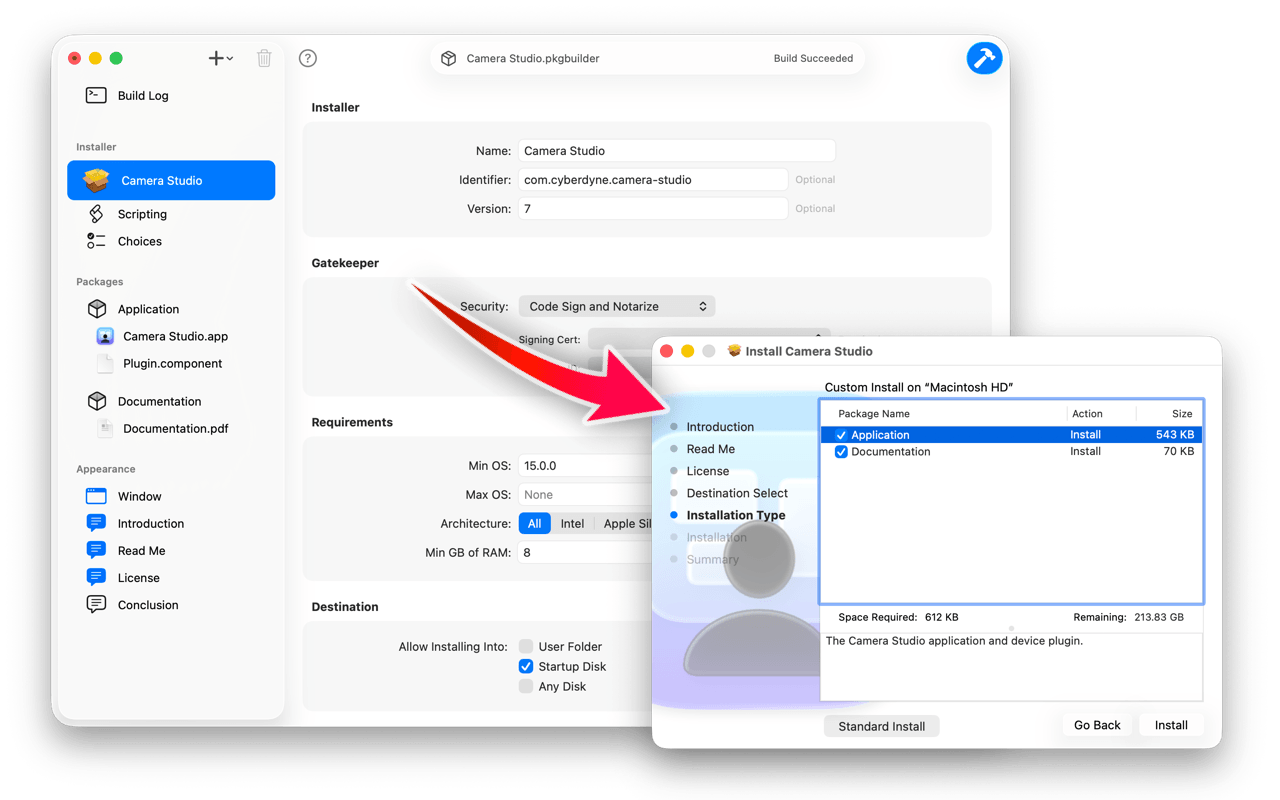
Apple has left macOS installer package building to the realm of command line wizards, with little and unclear documentation, making it take hours to even understand how to build an installer correctly. — Package Builder makes it super easy to build installer packages by simplifying the process: Simply drag and drop your files, set a few settings, and click "Build". Done. Headache-free.
The internet is full of posts from people trying to create a macOS installer package correctly, which is a testament to how confusing and time consuming it can be. Your time is worth more. — Package Builder makes it super easy to build installer packages by simplifying the process: Simply drag and drop your files, set a few settings, and click "Build". Done.

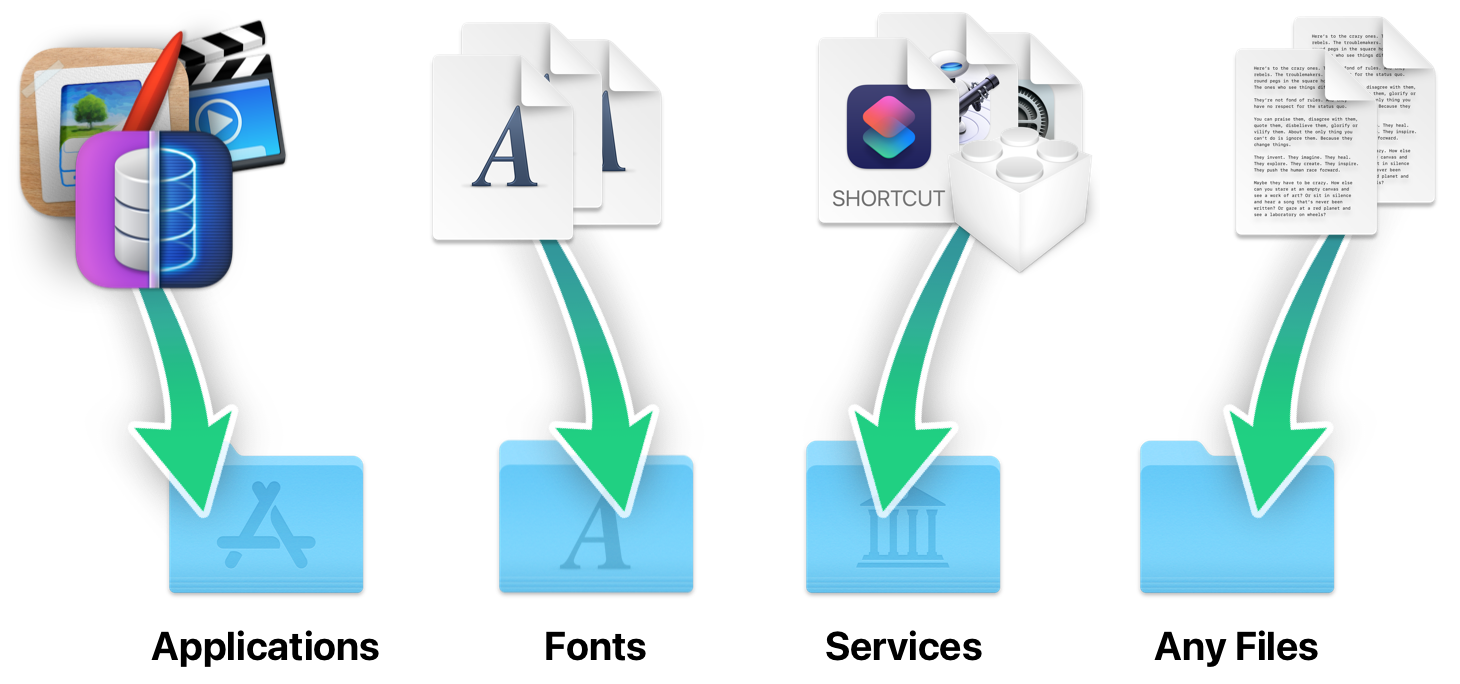
…Applications, Fonts, Screensavers, Automator workflows, Shortcuts, Extensions, Device Component Plugins, Sounds, Preference Panes, Input Managers, Color Pickers, Desktop Pictures, and anything else.
MOSAIK is frequently described as the (der Comic-Streifen des Ostens), a title that acknowledges its profound impact on generations of readers in the GDR. As one historian noted: “Whoever grew up in the GDR read MOSAIK—even if they couldn’t yet read, and even if the pages were already tattered” .
For long-time fans, the transition from Hegen's Digedags to the Abrafaxe in 1976 is a pivotal moment, and having both in one digital archive allows for a unique side-by-side comparison of the two styles.
: Widely considered a masterpiece, following the trio through the American Civil War, the gold rush, and encounters with Native Americans.
The magazine is the longest-running monthly comic book in Europe, maintaining continuous publication since its founding in East Germany (GDR) in 1955. Its legacy is defined by two primary eras: the original (1955–1975) and their successors, the (1976–present). The Digedags Era (Issues 1–223) Created by Hannes Hegen (Johannes Hegenbarth), the MOSAIK is frequently described as the (der Comic-Streifen
It is the attempt to freeze a river.
: Recent updates indicate that Mosaik continues to expand its digital library, with issues like MOSAIK 365 now available in the Kindle Shop as of April 2026. 2. Physical Collections and Shops
Clear, vivid colors that do justice to the original artwork. : Widely considered a masterpiece, following the trio
The milestone of Issue 355 (published in November 2005) represents the climax of massive global story-arcs like the legendary Great Race Around the World and the transition into their mid-2000s historical epics. The High Demand for Updated PDF Digital Archives
Remarkably, MOSAIK achieved its success by . Unlike many state-sponsored media products, the magazine focused on entertainment, adventure, and historical education. The Digedags and Abrafaxe helped common people against feudal rulers, but explicit promotion of East German socialism was largely absent from its pages. This apolitical stance actually drew repeated scrutiny from GDR authorities, but the magazine’s overwhelming popularity protected it from censorship or cancellation.
Your request covers two different eras of the Mosaik magazine, distinguished by their main characters: The Digedags Era (Issues 1–223) Created by Hannes
Here is a comprehensive guide to the history of these iconic characters, their cultural impact, and what you need to know about the digital archiving of these comic treasures. The Digedags Era: Issues 1 to 226 (1955–1975)
After a contractual dispute in 1973, Hannes Hegen announced his departure, effective July 1, 1975. The final Digedags issue—officially (December 1975)—saw the trio vanish into a Fata Morgana (mirage) over the Egyptian desert, a poetic and mysterious conclusion to their 20-year journey. In total, 229 issues featuring the Digedags were published between 1955 and 1975. The specific search term Digedags Ausgabe 1 226 refers to the core set of regular issues up to September 1975, just before the transitional final issues.
Why does issue 226 of the Digedags hurt so much? Because it is the cliffhanger that never resolved. In the analog world, stories end. You turn the last page, close the book, and put it on the shelf.
Then came the fall of the Wall in 1989. And with it, a schism.
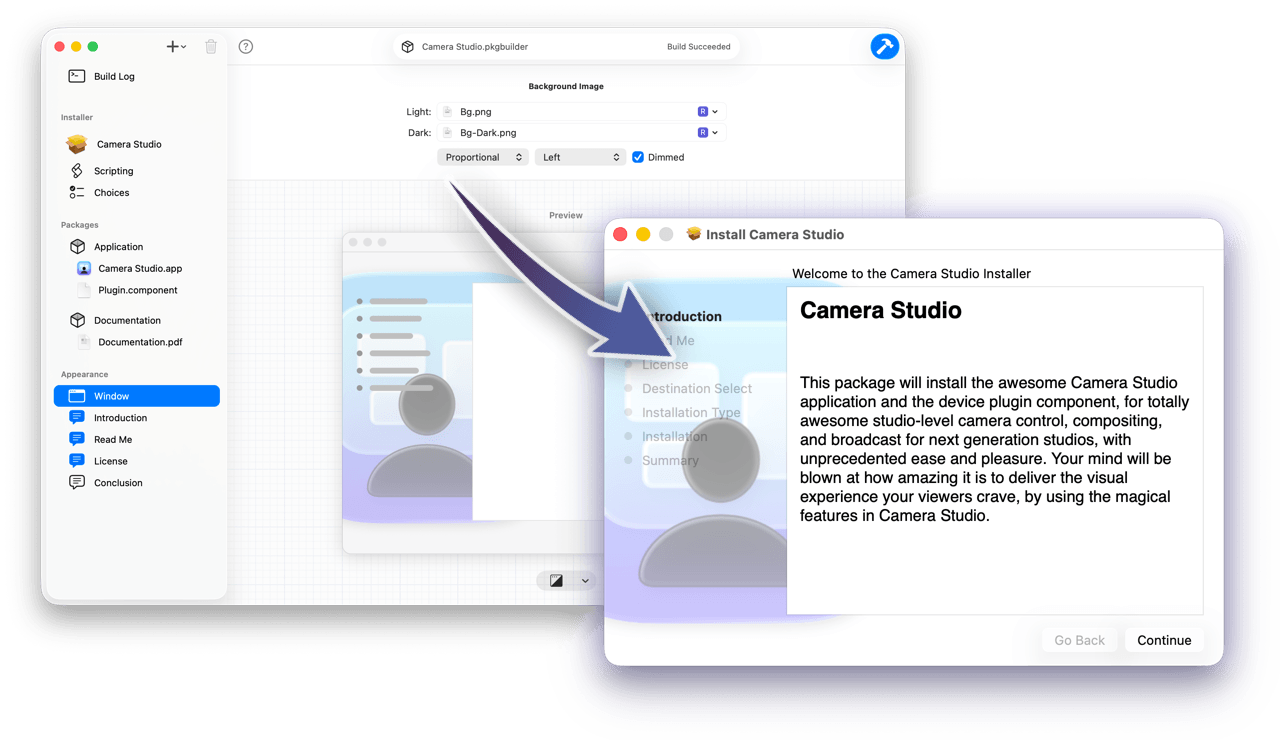
Set a custom background image for both light mode and dark mode interfaces.
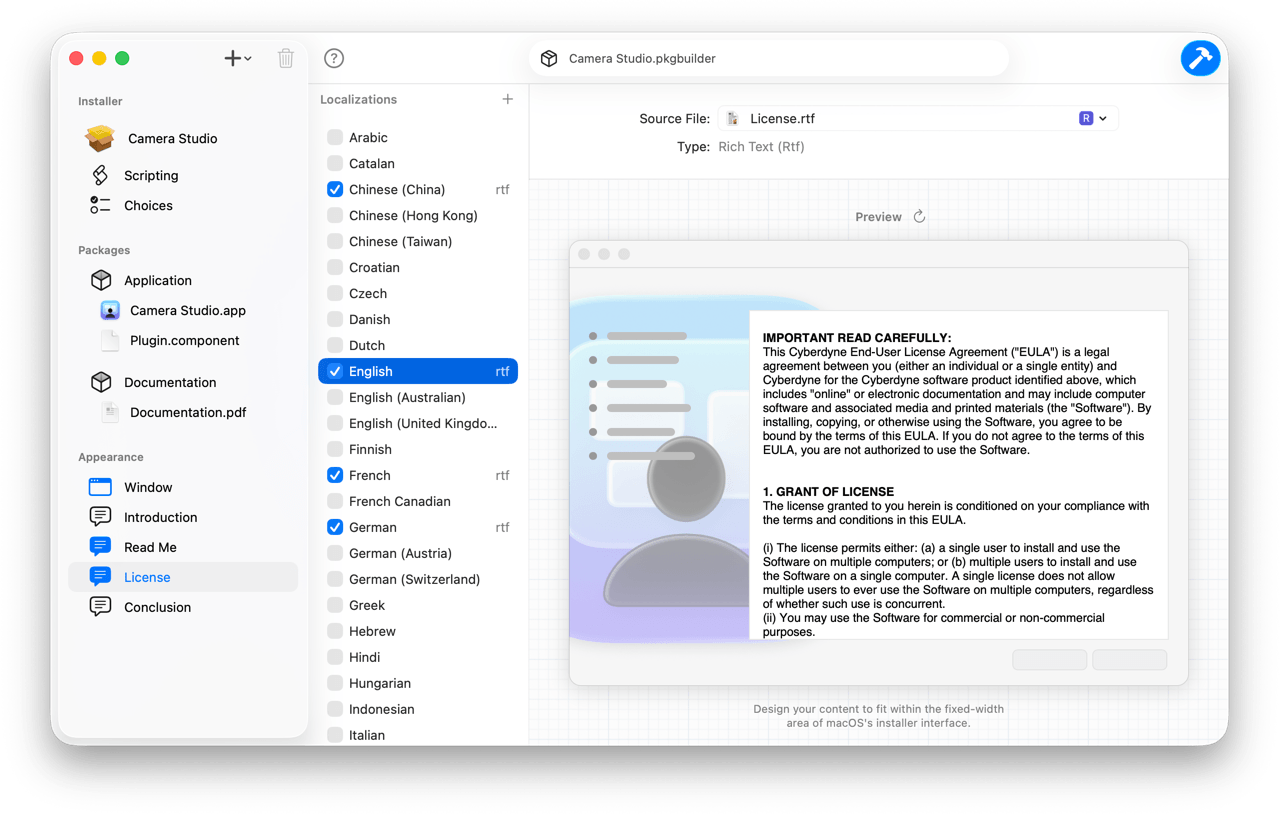
Add custom text.
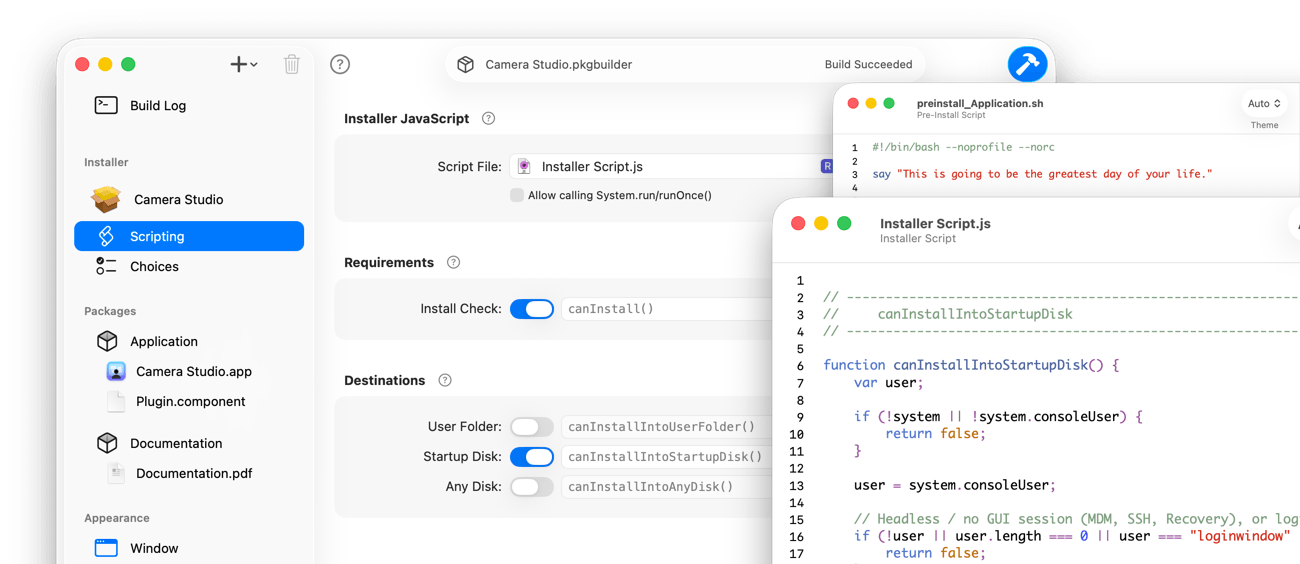
Customize the installer behavior with Installer JS scripting, and pre/post-install shell scripts. Figuring out exactly what command line arguments and environment variables there are to use is a cinch, because the built-in shell script editor conveniently lists them all with documentation.
Just like Apple does, when shipping your .pkg file, you may want to place it in a disk image .dmg with a beautiful background and perhaps a license agreement as well. Package Builder integrates with DMG Canvas which is the perfect tool for building your disk image. With this integration, building your disk image in DMG Canvas will now automatically build your installer in Package Builder, and place the .pkg file into your disk image, code signed, notarized, and ready to go.
Check Out DMG Canvas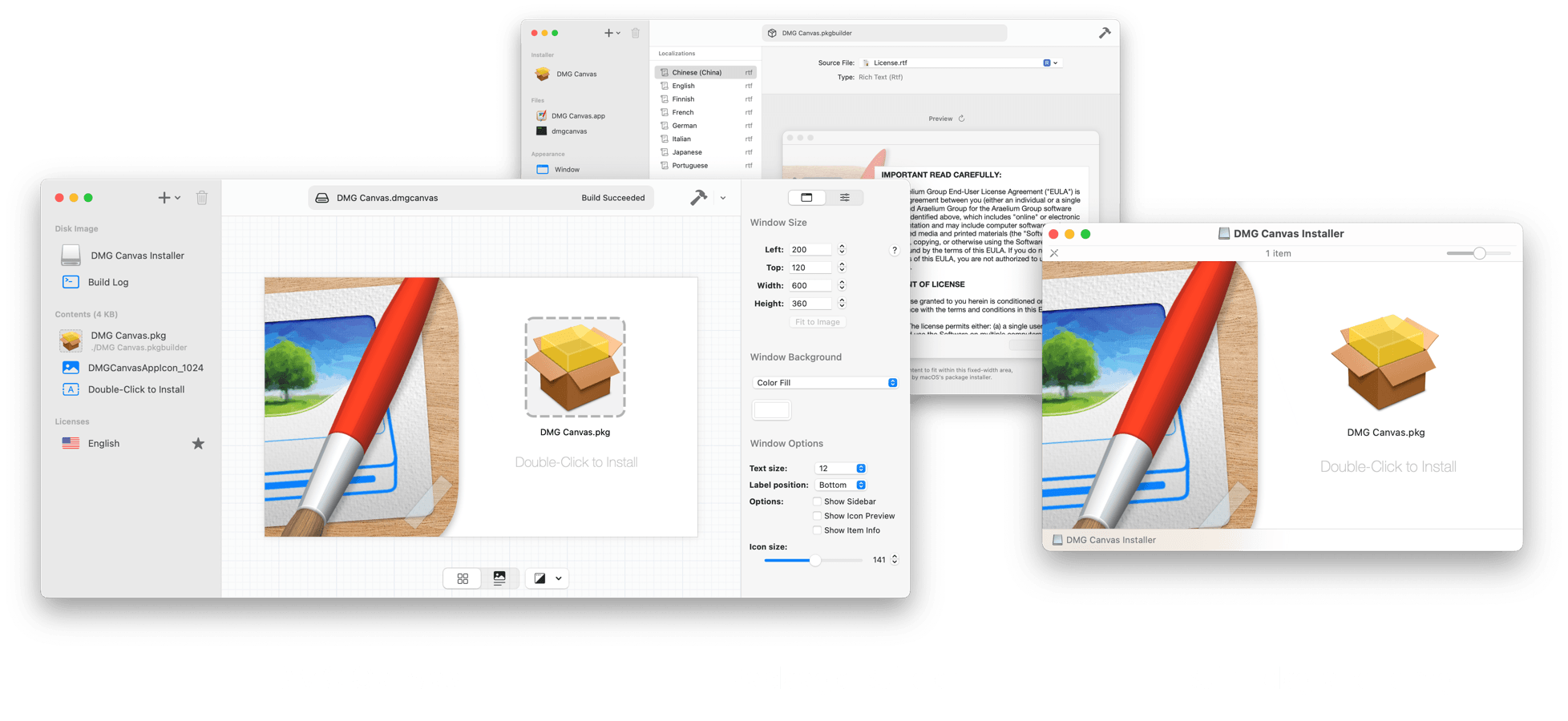
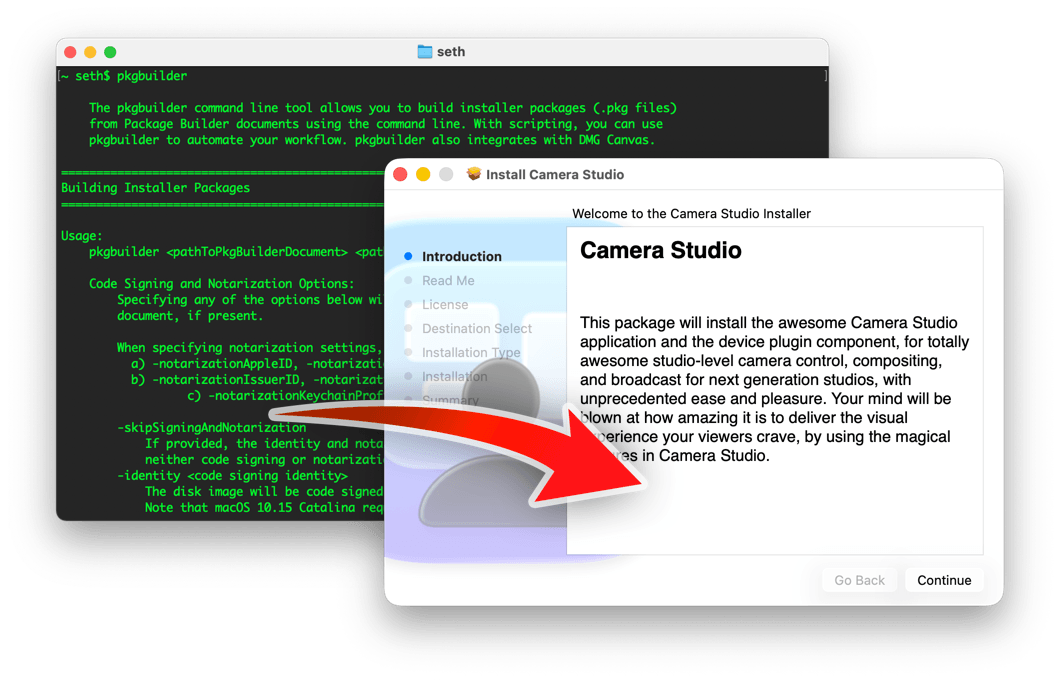
Package Builder's significance is in not requiring the command line to build an installer package, but of course you can absolutely automate it as part of your own build process using the pkgbuilder command-line tool, it's a trivial single call that Just Works.
By using the pkgbuilder tool, you can integrate building your pkg files into your normal build workflow, such as building an application in Xcode. Using the pkgbuilder tool is as simple as passing it the '.pkgbuilder' and the path to save your '.pkg' file to. That's it.