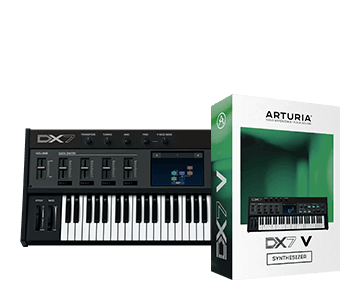
Arturia DX7 V 合成器音色庫,取樣自 YAMAHA DX7
NT$ 4,673
console. It is the essential system software required by emulators to initialize hardware and execute Japanese region-locked games.
Are you setting up a (like DuckStation or RetroArch)?
Why?
It is important to navigate the legalities surrounding original console firmware files safely: playstation scph5500 v30 japan bios scph5500bin top
The SCPH-5500 motherboard is fully compatible with modern Optical Drive Emulators (ODEs) like the . Modders frequently dump their own console's SCPH5500.BIN file to patch their systems, ensure backup compatibility, or run homebrew development tools directly on original hardware. Legal and Safe Usage of BIOS Files
in the specified "BIOS" or "System" folder is required to run Japanese PlayStation software with maximum compatibility. Comparison with Global v3.0 Versions
For the serious retro gamer, the historian, or the speedrunner, the SCPH-5500 v3.0 Japan BIOS is not just an option; it is the standard. If you are looking to experience the PlayStation library as it was intended in the late 90s, ensuring you have this verified BIOS dump is the first step in building the ultimate retro gaming setup. console
Moving the optical drive assembly away from the hot power supply to prevent premature laser degradation.
The scph5500.bin file is the digital dump of the console's firmware, essential for running Japanese games on emulators like PCSX2 , DuckStation , or RetroArch .
: BIOS files are copyrighted intellectual property belonging to Sony Interactive Entertainment. Legal and Safe Usage of BIOS Files in
, and is the default firmware for the SCPH-5500 model. It is recognized by its CRC32 hash and MD5 checksum 8dd7d5296a650fac7319bce665a6a53c Key Technical Details Hardware Changes
By exploring these resources, gamers and collectors can gain a deeper understanding of the SCPH5500 V30 Japan BIOS and unlock the full potential of their PlayStation console.
The , associated with the BIOS file scph5500.bin , represents a pivotal mid-generation revision of the original Sony PlayStation console. Released in Japan on September 9, 1996, this model introduced significant motherboard and hardware efficiency improvements. Core Specifications & Hardware Revision Go to product viewer dialog for this item.