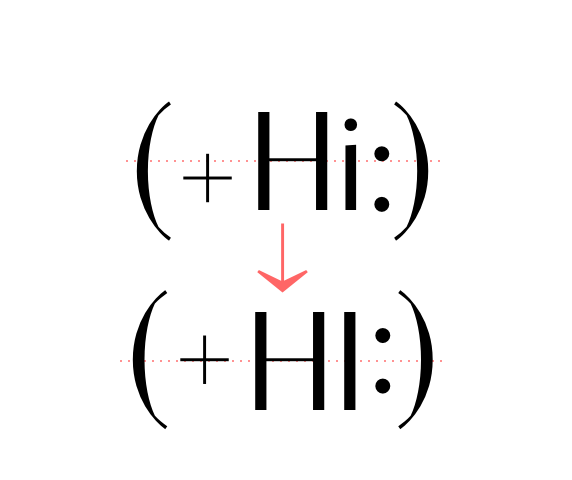
• smart f variants to avoid collisions,
• T T ligature,
• anti-collision T (rightside),
• variants of f and t horizontal bar when next to each other (ff, tt, ft, tf, ttt, fff…)
Published on: 25th of May 2021
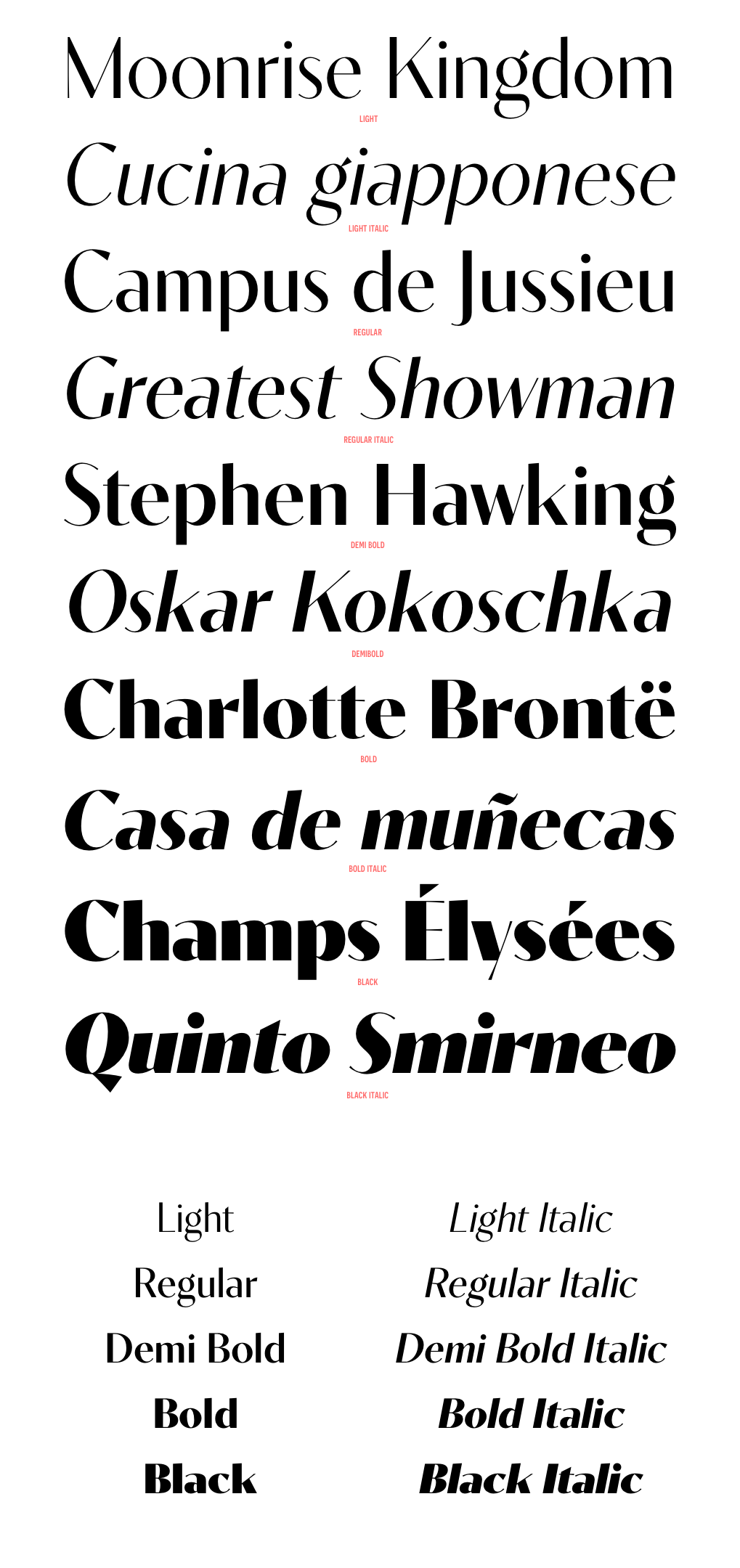
Contralto is a high contrast sans-serif font family, crafted to look elegant but contemporary thanks to soft humanist shapes mixed with sharp geometric details.
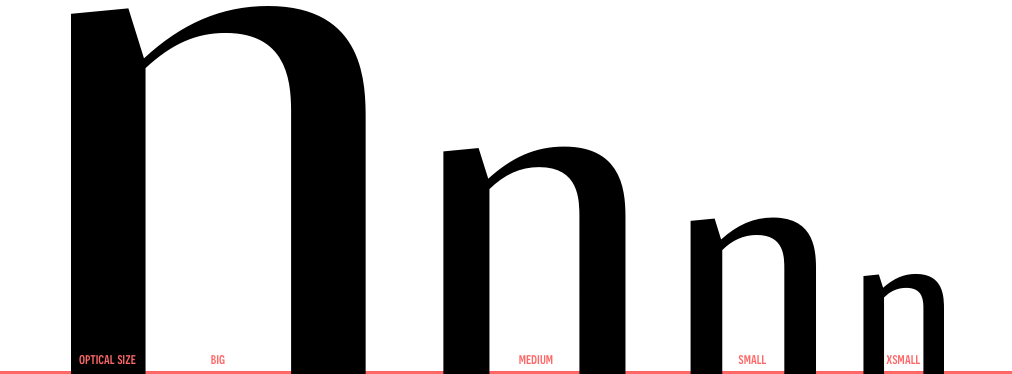
Contralto comes in 40 styles: 5 weights × italics × 4 optical sizes, to help optimising contrast and readability. However, you can also use them to fine tune the mood of your graphical composition.
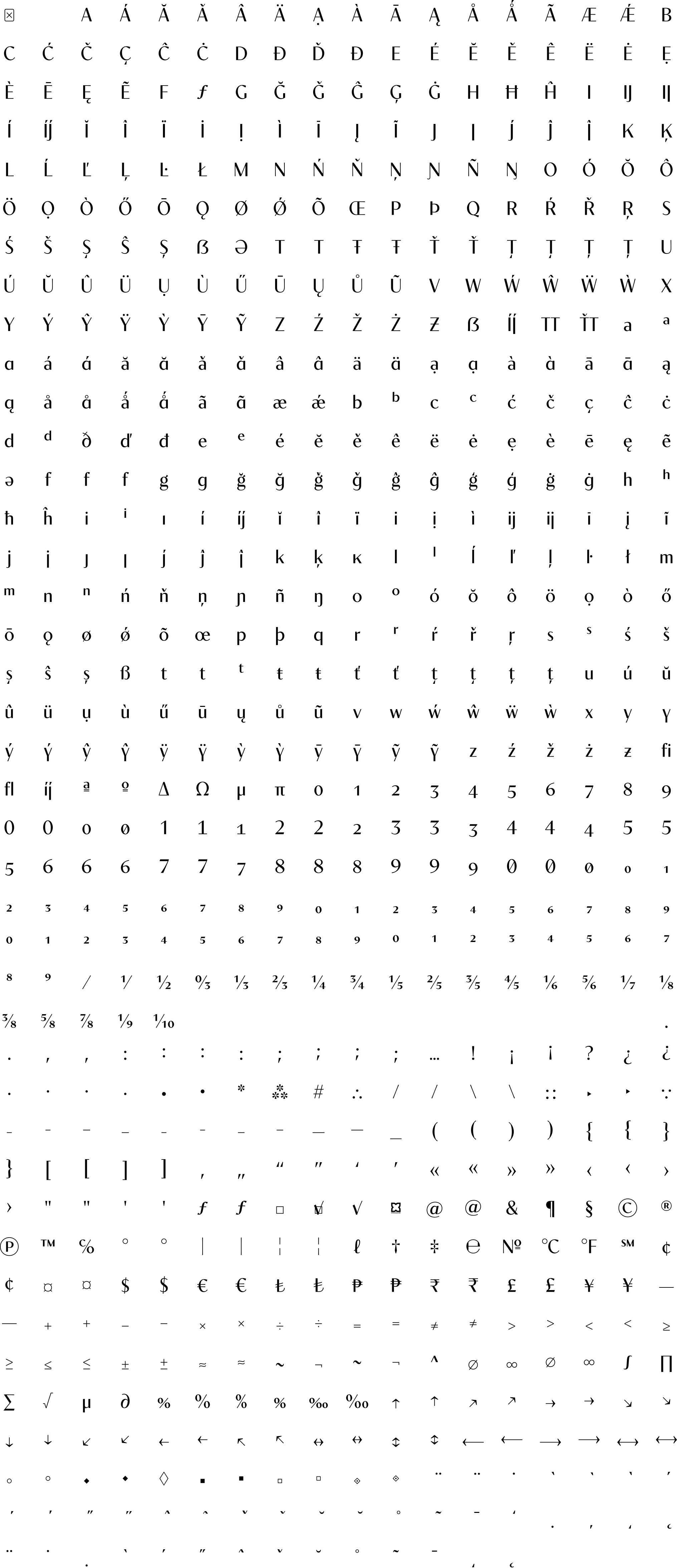
Contralto’s generous character set and Opentype features let you meet the most demanding layout needs and lets your creativity fly!
Download the Contralto Specimen -->


| light | regular | demibold | bold | black | light italic | regular italic | demibold italic | bold italic | black italic | |
|---|---|---|---|---|---|---|---|---|---|---|
| big | ![]() |
![]() |
![]() |
![]() |
![]() |
![]() |
![]() |
![]() |
![]() |
![]() |
| medium | ![]() |
![]() |
![]() |
![]() |
![]() |
![]() |
![]() |
![]() |
![]() |
![]() |
| small | ![]() |
![]() |
![]() |
![]() |
![]() |
![]() |
![]() |
![]() |
![]() |
![]() |
| xsmall | ![]() |
![]() |
![]() |
![]() |
![]() |
![]() |
![]() |
![]() |
![]() |
![]() |
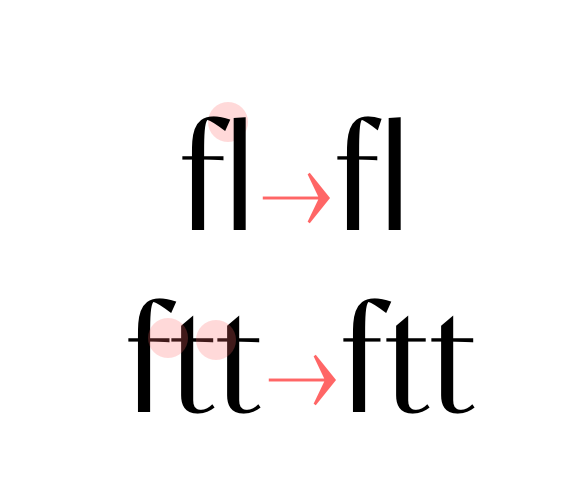
![]() anticollision ligatures Standard ligatures (should be always on). • smart f variants to avoid collisions, • T T ligature, • anti-collision T (rightside), • variants of f and t horizontal bar when next to each other (ff, tt, ft, tf, ttt, fff…) |
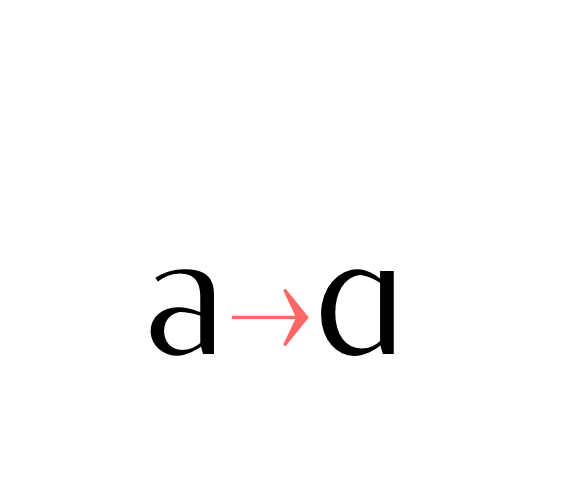
![]() Alternate a (ss01) Stylistic set 01: Alternate lowercase a glyph. |
![]() Alternate g (ss02) Stylistic set 02: Alternate lowercase g glyph. |
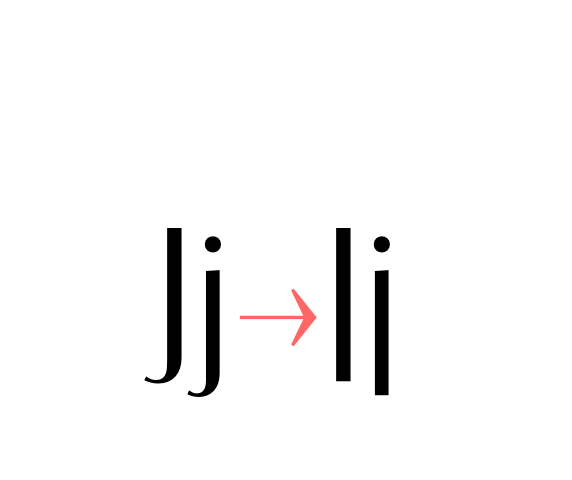
![]() Alternate j (ss03) Stylistic set 03: Alternate lowercase and uppercase j glyph. |
![]() Alternate y (ss04) Stylistic set 04: Alternate lowercase y glyph. |
![]() case sensitive forms Displays a version of the glyph that matches uppercases. Case sensitive glyphs are: ß 0 1 2 3 4 5 6 7 8 9 : ; · • ◦ ‣ ◆ ■ □ ▣ ( ) { } [ ] - – — ⎯ « » ‹ › ¢ ¤ $ € ƒ ₺ ₱ ₹ £ ¥ + − × ÷ = ≠ > < ≥ ≤ ± ≈ ~ ¬ ∅ ∞ % ‰ ↑ ↗ → ↘ ↓ ↙ ← ↖ ↔ ↕ ⟵ ⟶ ⟷ |
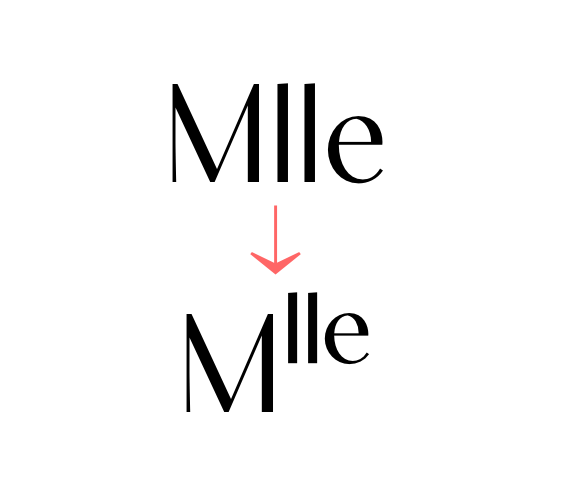
![]() ordinals Creates ordinal versions for letters a b c d e h i l m n o r s t. If a or o are preceded by a figure and no letter follows, ordfeminine ª and ordmasculine º are displayed instead. |
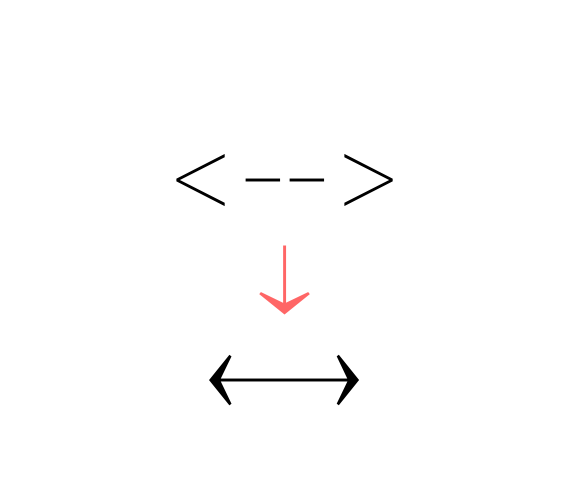
![]() arrows (ss06) Stylistic set 06 “Arrows”. Transforms: -> to →, <- to ←, --> to ⟶, <-- to ⟵, <-> to ↔, <--> to ⟷, ^- to ↑, -^ to ↓, ^-^ to ↕, /> to ↗, </ to ↙, \> to ↘, <\ to ↖, -- to ⎯ (double hyphen makes a longer arrow, sizing exactly 2 tabular spaces). |
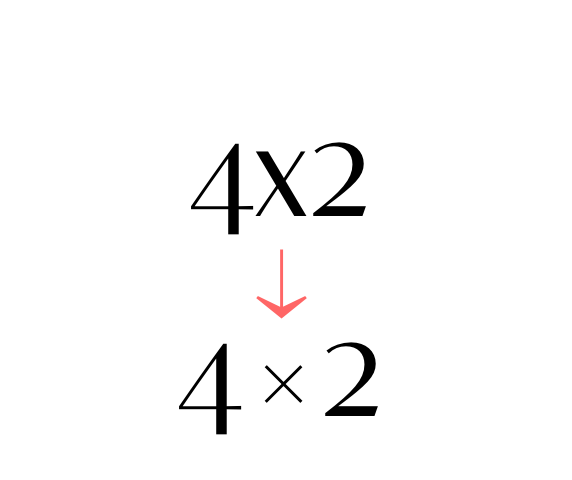
![]() contextual alternates Transforms the x letter to the multiply sign (×) when between two figures and/or an extra space. |
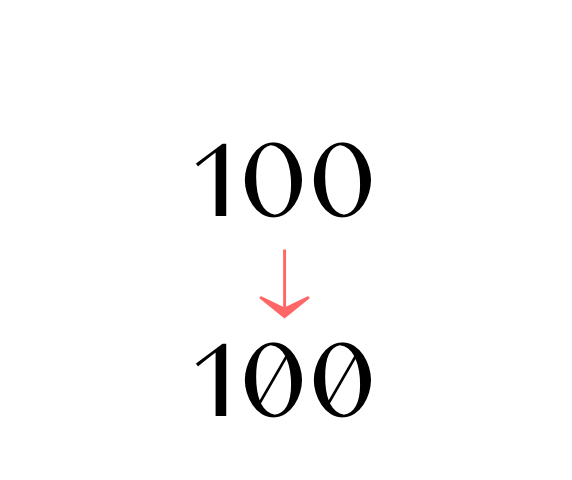
![]() slashed zero Activates slashed-zero alternate |
![]() lining & oldstyle figures Lining figures: displays uppercase-aligned figures and case sensitive glyphs: ß 0 1 2 3 4 5 6 7 8 9 : ; · • ◦ ‣ ◆ ■ □ ▣ ( ) { } [ ] - – — ⎯ « » ‹ › ¢ ¤ $ € ƒ ₺ ₱ ₹ £ ¥ + − × ÷ = ≠ > < ≥ ≤ ± ≈ ~ ¬ ∅ ∞ % ‰ ↑ ↗ → ↘ ↓ ↙ ← ↖ ↔ ↕ ⟵ ⟶ ⟷ Oldstyle figures: displays lowercase (default) figures and glyphs. |
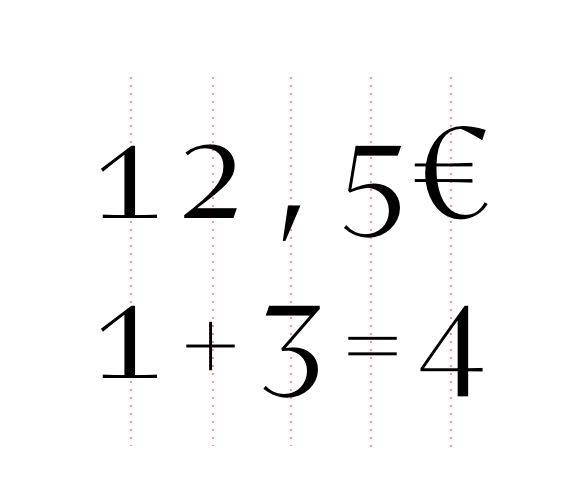
![]() tabular figures & symbols Switches figures and some related glyphs to tabular ones. This feature makes the target glyphs same width and aligns them vertically as they were inside a table. Tabular glyphs are: π … # _ ⎯ ¢ $ € ƒ ₺ ₱ ₹ £ ¥ + − × ÷ = ≠ > < ≥ ≤ ± ≈ ~ ¬ ∅ ∞ ∫ √ µ ∂ ↑ ↗ → ↘ ↓ ↙ ← ↖ ↔ ↕ ◊ ☐ ☑ ✓ Glyphs with tabular alternates: 0 1 2 3 4 5 6 7 8 9 . , : ; · " ' ° | ¦ % / \ - (and space). Most of them have case-sensitive alternates too. In this font you’ll also find 3 long arrows ⟵ ⟶ ⟷ with their case sensitive alternate. Their length is exactly twice a tabular. |
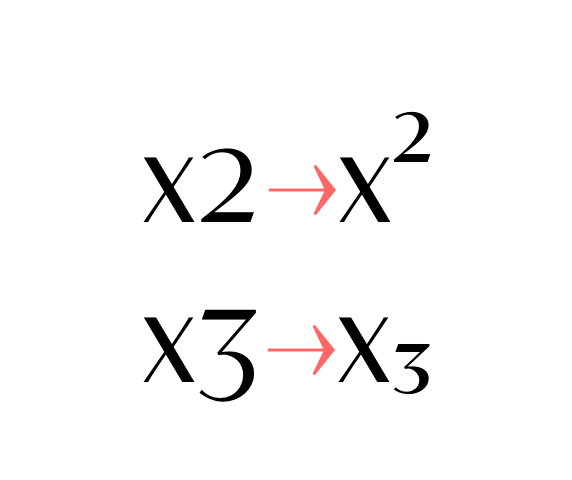
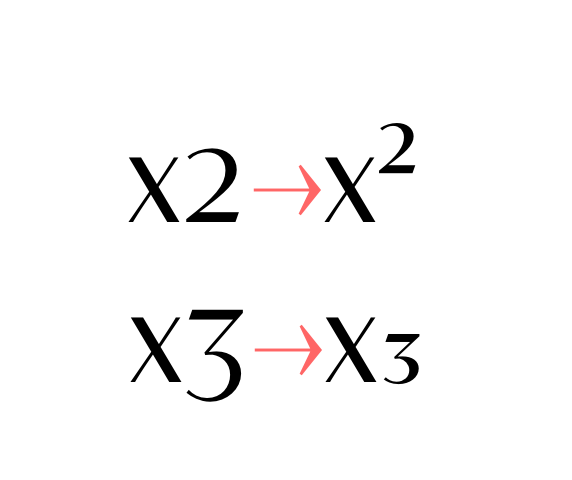
![]() superscripts & subscripts Activates superscript and subscript figures independently. |
![]() numerators & denominators Activates numerator and denominator figures independently. |
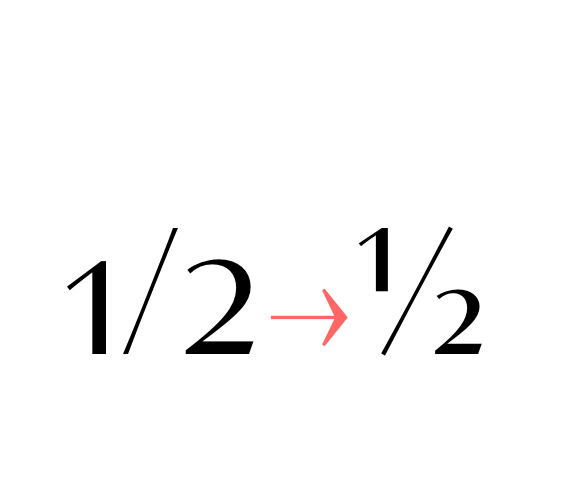
![]() fractions Real fractions from any [number] slash [number] sequence. |
In fact, the Japanese internet subculture known as “YARANAIKA” (shall we not do it?) and surreal memes often produce such strings. The phrase might have originated on 2channel or Twitter as a copypasta meant to sound profound but actually meaning nothing—a phenomenon called “gitaigo” (ideophones) taken to an extreme.
From the New World is available on multiple streaming platforms, including Crunchyroll, and is usually subtitled in several languages.
Online communities have attempted to reverse-engineer the phrase. Here are three popular theories: shinseki nokotowo tomari dakara animation
The adaptation by is noted for its soft visual palette that complements the "Slice of Life" and "Seinen" genres.
Haruki, a city-worn high schooler, is sent to a remote mountain village to stay with his distant aunt and uncle while his parents work abroad. The house is a sprawling, creaky traditional estate filled with sliding paper doors and the constant hum of summer insects. In fact, the Japanese internet subculture known as
"Shikanoko Nokonoko Koshitantan" is a phrase that appears in the opening song of "My Deer Friend Nokotan". It's a catchy, nonsensical phrase. The user might have misheard it as "shinseki nokotowo tomari dakara".
Maybe it's a garbled version of "Shinseiki no Koto wo Tomari Dakara Animation" meaning "Because it's the end of the century, animation"? Not. The house is a sprawling, creaky traditional estate
: Utilizing bright, expressive colors to emphasize lighthearted comedy and "waifu" character appeal.
(The Kinetic Remnants System) is an advanced animation feature that creates "Inherited Motion." Instead of objects moving strictly along a predetermined path, the object leaves behind a "Remnant" (a relative data ghost). The object’s current animation speed and trajectory are dynamically influenced by the distance and properties of these remnants.
// Apply "Tomari" (Stop/Drag) logic Vector3 totalDrag = Vector3.zero; foreach (Node r in remnants) float distance = Vector3.Distance(currentPosition, r.position); if (distance > 0) // "Dakara" - Therefore, pull back totalDrag += (r.position - currentPosition).normalized * (distance * dragCoefficient);